
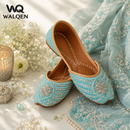
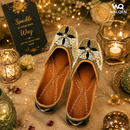
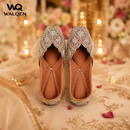
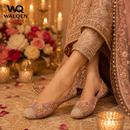
Punjabi Jutti is a traditional Indian footwear known for its beautiful handcrafted work, decorative embroidery and comfortable design. Traditionally associated with Punjab and North India, Punjabi juttis are now popular as handmade ethnic footwear for women and are worn with both ethnic and western outfits.
At Walqen, Punjabi juttis are inspired by India's rich culture and craftsmanship and combine traditional artisan techniques with contemporary designs. From zari and embroidery to beads, pearls and leather detailing, each pair brings together heritage, craftsmanship and modern style.
What Is a Punjabi Jutti?
Unlike conventional shoes, juttis are generally designed without a separate left and right shape, allowing the footwear to adapt to the wearer's feet over time.
Traditional Punjabi juttis have historically featured colourful fabrics, intricate embroidery, thread work and ornamental details. Modern handmade Punjabi juttis are available in many materials, colours and designs, making them suitable for weddings, festivals, celebrations and everyday ethnic wear.
Why Are Punjabi Juttis Popular?
Punjabi juttis have remained popular because they combine traditional Indian craftsmanship with versatile styling.
Some common reasons women choose Punjabi juttis include:
- Traditional Indian design
- Handmade craftsmanship
- Embroidery and zari detailing
- Lightweight construction
- Easy slip-on style
- Versatile ethnic styling
- Designs suitable for weddings and festivals
- Options for everyday wear
A well-made Punjabi Jutti for women can complement both traditional and contemporary Indian outfits.
How Are Handmade Punjabi Juttis Made?
Traditional jutti-making involves several stages of craftsmanship. Depending on the design and material, artisans may work with leather, fabric, thread, zari, beads, pearls and other decorative elements.
The process can include:
- Preparing the footwear base
- Cutting and shaping the material
- Creating the upper design
- Adding embroidery or decorative work
- Attaching the upper to the sole
- Finishing and checking the pair
The detailed decorative work is one of the features that distinguishes a handcrafted Punjabi Jutti from mass-produced footwear.

At Walqen, the collection reflects this connection between traditional Indian craftsmanship and contemporary footwear design, with designs featuring embroidery, zari work, beadwork and other artisanal details.
What Materials Are Used in Punjabi Juttis?
Punjabi juttis can be made using different materials depending on the design and intended use.
Common materials and decorative elements include:
- Leather
- Fabric
- Cotton or textile uppers
- Zari
- Embroidery threads
- Beads
- Pearls
- Sequins
- Decorative embellishments
For shoppers looking for a more traditional option, handmade leather Punjabi juttis are one of the most popular choices because leather can provide a distinctive look and can develop character with use when properly cared for.
Are Punjabi Juttis Comfortable?
Punjabi juttis can be comfortable when they are properly sized and made with suitable materials and construction. Comfort can depend on factors such as the fit, upper material, sole, cushioning and how frequently the footwear is worn.
For longer events such as weddings and celebrations, it is important to select the correct size and choose a design that provides a comfortable fit.
Walqen offers different styles of comfortable Punjabi juttis for women, including designs intended for festive, wedding and everyday styling.
What Is the Difference Between Handmade and Machine-Made Juttis?
The main difference is the level and nature of craftsmanship involved.
Handmade Punjabi Juttis often feature artisan-applied embroidery, embellishments and finishing details. Because of the handcrafted process, small variations may occur between individual pairs.
Machine-made footwear generally relies more heavily on standardized manufacturing processes.
For shoppers who value traditional Indian craftsmanship and detailed decorative work, handmade juttis can offer a distinctive alternative to mass-produced footwear.
How Can You Style Punjabi Juttis?
One reason Punjabi juttis are versatile is that they can be paired with many Indian and Indo-Western outfits.
You can wear Punjabi juttis with:
- Lehenga
- Salwar suit
- Anarkali
- Kurta
- Palazzo pants
- Sharara
- Festive outfits
- Indo-Western outfits
For weddings, bridal Punjabi juttis with zari, pearl or embroidery details can complement heavily decorated outfits. For everyday wear, simpler designs can work well with kurtas, salwar suits and other comfortable ethnic outfits.
Why Choose Handmade Punjabi Juttis from Walqen?
Walqen focuses on handcrafted Indian footwear that combines traditional aesthetics with contemporary styling.
The Walqen collection includes different styles of handmade Punjabi juttis for women, featuring details such as:
- Zari work
- Embroidery
- Beadwork
- Pearl detailing
- Leather construction
- Traditional-inspired patterns
- Contemporary colour combinations
The aim is to create footwear that works across different occasions while keeping the character of Indian artisan craftsmanship at the centre of the design.
Are Punjabi Juttis Only for Weddings?
No. Although Punjabi juttis are especially popular for weddings and festive occasions, they can also be worn as everyday ethnic footwear.
Depending on the design, you can choose Punjabi juttis for:
- Daily ethnic outfits
- Office wear
- Festive occasions
- Family functions
- College and cultural events
- Weddings
- Mehendi and Haldi
- Casual Indo-Western looks
Choosing a simpler design and comfortable material can make a Punjabi jutti suitable for regular wear.
Final Thoughts
A Punjabi Jutti is more than traditional footwear. It represents a connection between Indian craftsmanship, decorative artistry and contemporary fashion. Today, handmade Punjabi juttis for women can be styled for weddings, festivals, celebrations and everyday ethnic looks.
With its focus on handcrafted Indian footwear, Walqen brings traditional-inspired Punjabi jutti designs into modern wardrobes through embroidery, zari work, beadwork, pearl detailing and leather styles.